Happy to report that my training program to increase creative flow and word count is working! Also, additional thoughts on the ethics of using AI-generated work and how money factors into that for some people.
RITA ® Award-Winning Author of Fantasy Romance
 Author: Jeffe Kennedy
 //
//Happy to report that my training program to increase creative flow and word count is working! Also, additional thoughts on the ethics of using AI-generated work and how money factors into that for some people.
 //
//
Our topic at the SFF Seven this week is: Pinch Points or small turning points. We’re asking each other if we plan them, use them as foreshadowing, or just let the story flow?
So, I read KAK’s excellent post from yesterday explaining WTF “Pinch Points” are and how she uses them. Spoiler: yes, she plans them out.
Cannot possibly be a spoiler for anyone who knows anything about me: No, I plan them, I might use them?
YES, I LET THE STORY FLOW.
I swear, I need to start adding topics like “when you’re intuitively letting the story flow, how do you…. ” Except then I get stuck because there’s just not a whole hell of a lot to say about writing intuitively. Yep, here I am, letting things flow. Still flowing. How will it end? I have no idea!
LOL.
Amusingly enough, however, what KAK explained in her detailed analytical post is pretty much the exact scene I wrote yesterday in my current manuscript: ONEIRA.
(If you haven’t been following the podcast, ONEIRA is a Totally New Thing – new world, new magic system, unrelated to anything I’ve written so far. I’ve been calling it the book I’m not supposed to be writing – it fell on me from out of the sky and insisted on being written – but all of my friends have finally convinced me that clearly I am supposed to be writing it, so I’m trying not to say that anymore.)
It’s almost eerie, how the scene I wrote yesterday matches exactly what KAK says the pinch point with the villain is supposed to do. But I didn’t plan it at all. In fact, this scene introduced a new POV character and a new plot element, totally unexpected. But this is how I write and how I write this book in particular. It’s insisting on doing all sorts of things that I haven’t done before and don’t expect and I’ve just surrendered and am going with it. Which actually makes this project really fun, because I’m just letting it be whatever it is and not worrying about reader expectations or where it will fit in the marketplace.
All of this is to say that we all have our own process. My mantra: figure out what your process is and own it.
KAK loves to geek out on analysis, minutely controlling her stories down to pinches.
My stories just go their own way and I try to cling to the saddle.
It’s all good.
(Except sometimes I end up writing something I’m not supposed to be writing….)
 //
//A concern I have about a book cover designer who is offering discounts to authors who approve the use of AI-generated art. Also thoughts on training to improve wordcount and recognizing overdoing it.
 //
//A round-up of what I’ve been reading lately, including several excursions from my normal reading. I’m thinking about female/femme narratives and how we center those (or don’t) in terms of stories about men.
 //
//
This week at the SFF Seven, we’re talking about Managing Word Count. Do we rewrite to hit a certain number? Do we have a chapter/scene word allotment?
So, a lot of you know that one of my nicknames is the Meticulous Volcano. This comes from me being born on the Leo/Virgo cusp, which a friend informed me makes me a meticulous volcano and they’re not wrong. I really am half and half – and this shows up in many ways. Yes, I have the passionate Leo nature, but I’m also the detail-oriented lover of spreadsheets. In my writing, this manifests in my total, far-end gardener/pantser/write for discovery process, which I track down to the tiniest detail, with charts.
Do I have a chapter/scene word allotment? Yes, I do. It varies from book to book – something I land on intuitively – with some books and series running to longer chapters and some to shorter. The shortest chapters, which creates a brisker pace, are generally about 6-7 pages long, or about 1,700 words. Longer chapters give a more epic feel, a more luxurious pace, and can be as long as 23 pages (my record) and about 7K words long. On average, however, I keep longer chapters to around 16 pages or 4,500 words.
For scenes, I follow the 3-Act 8-scene structure, which looks like this:
| Act 1 | Scene 1 | 12.5% | Initial set-up, establishing shot, life before | |
| Act 1 climax | Scene 2 | 25.0% | All stakes are set | |
| Act 2 | Scene 3 | 37.5% | ||
| Midpoint | Scene 4 | 50.0% | Midpoint pivot | |
| Scene 5 | 62.5% | |||
| Act 2 climax | Scene 6 | 75.0% | All is lost | |
| Scene 7 | 87.5% | often the same as Act III climax | ||
| Act 3 climax | 90.0% | Final climax | ||
| Scene 8 | 100.0% | Denouement, life after | ||
Mostly I use this structure as a series of guideposts, to know where I am as I write the book, which is always linear, from beginning to end. And this helps me to predict when I’ll finish. Once I have Scene 1 complete, I can predict the final word count (8 times the word count of Scene 1). This number is solidified once I have Act 1 in place. Generally my books are 85K – 120K words long, so how long the individual segments are varies from about 11K to 15K words.
In truth, “segment” is probably a better word than “scene,” as applies to my novels. This structure is from screenwriting, so scenes can be more or less a single sequence. For me, a scene in this context is a contiguous segment of the story, one where a particular mini-arc is begun and completed.
As for rewriting to tighten the shape? Sometimes I do that. Usually not. I often worry that some segment will bulge out and need trimming, but it usually is fine by the end. Sometimes I break up chapters or trim parts that go on too long. Mostly I let the numbers be a loose guideline and I decided intuitively how to edit.
 //
//Thoughts on learning to paint by numbers, or learn to follow the rules of craft before you break them. How I’m breaking my own rule, on epistolary romances, and a funny story about my granddaughter.
 //
//Updates on my travels, including WisCon and thoughts on being laid-back at cons instead of wall-to-wall. Also, trends in traditional publishing and speculation on why they all seem to want full manuscripts.
 //
//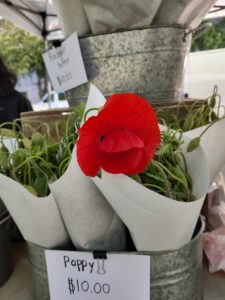
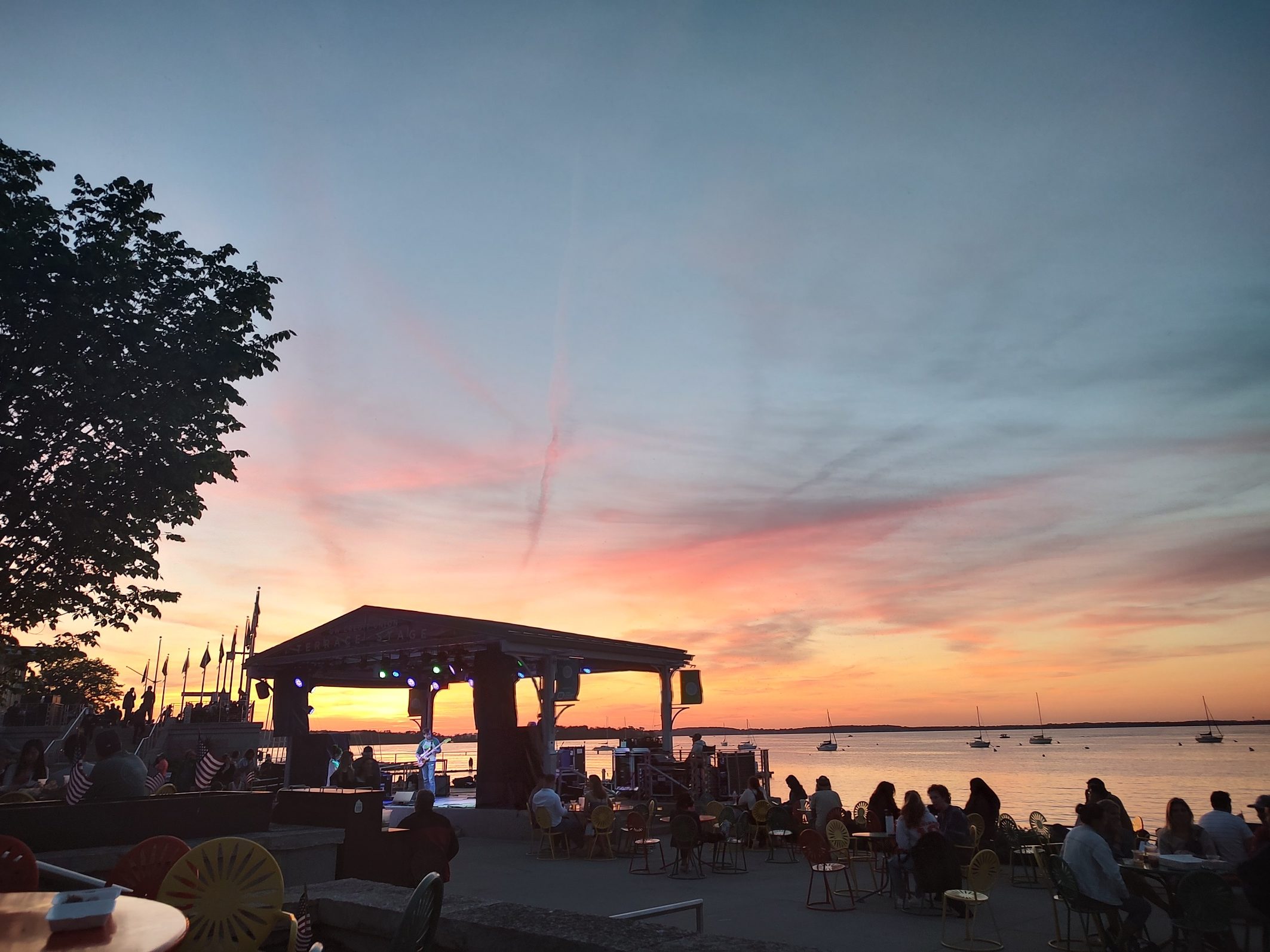
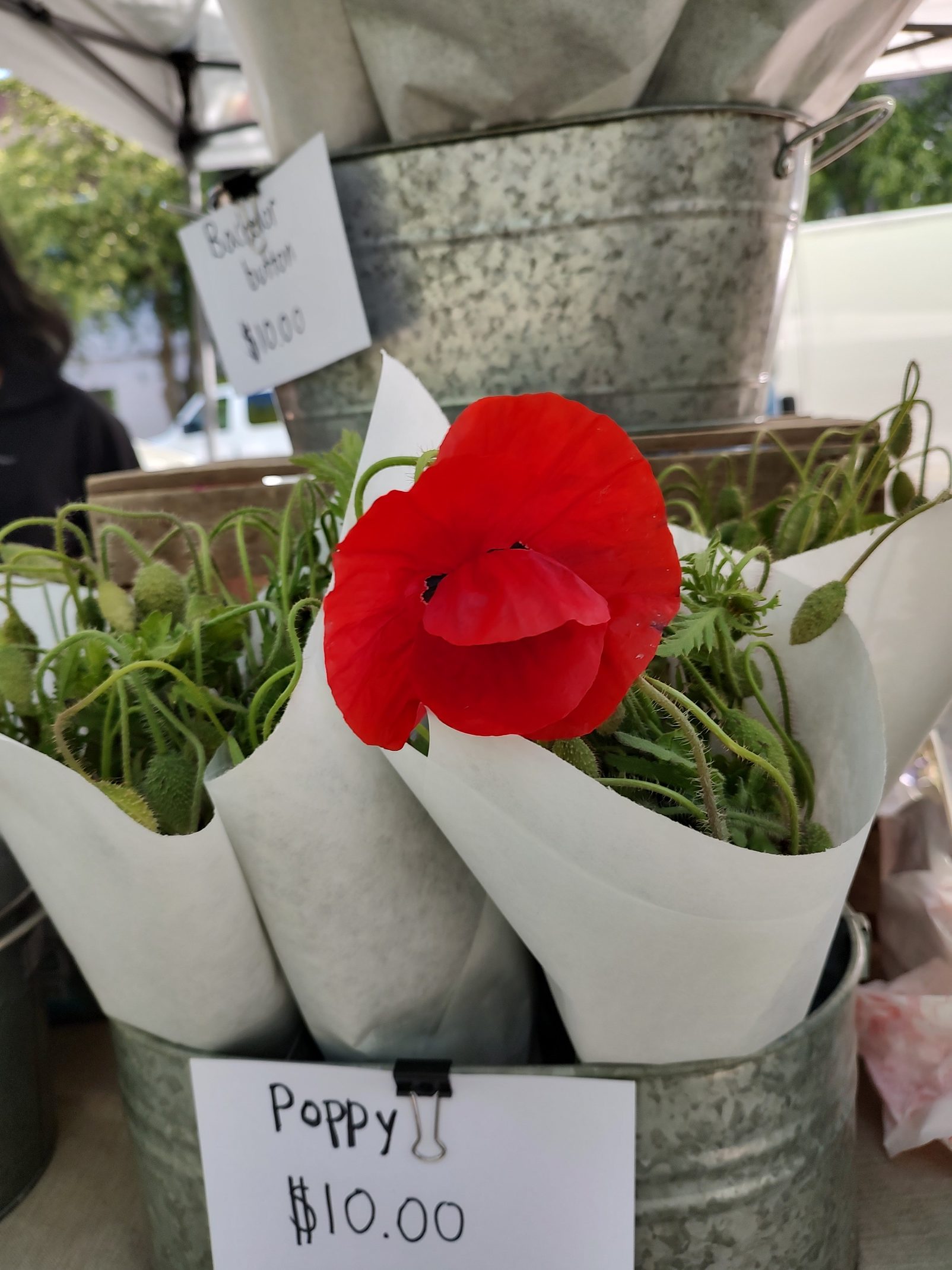
I just returned from WisCon, which was a delightful, warm, sort-of summer-camp version of a con. I had a great time. I also got to visit the farmer’s market and get a wonderful jump start on spring.
Our topic at the SFF Seven this week is: How to analyze genre expectations for your genre.
You know, I have one answer to this question, which is pretty much the same as what KAK said yesterday: READ.
I feel like people are often looking for the shortcuts in this business. And certainly there are the shovel-salesmen eager to sell the gold-miners the newest-fangled device that will make their job SO MUCH EASIER. So, sure – there are tools and surveys out there that purport to analyze trends and bullet-point the expectations of the hot genres.
But nothing substitutes for reading. And reading what’s current, as well as the canon the new stuff builds upon. Genre and the expectations readers bring to their reading are fluid and ever changing. I once advised an aspiring author – a woman who’d been very well published 20 years before, had a life-lull, and was looking to get back into it – who hadn’t read anything published in her genre in the last couple of decades. She couldn’t understand the feedback she was getting from agents and editors because her reading lens was calibrated to what amounted to ancient history genre-wise.
Also, reading refills the creative well. All writers begin as readers first. (At least, I hope so. A writer who doesn’t love reading seems to me like a fish who swims but doesn’t like water.) If you don’t have time to read, make the time. Replace watching shows or scrolling on your phone with READING. You don’t have to finish everything you read (I certainly don’t), but you should read at least some of what’s popular and what your readers are reading.
Did I mention read? Yeah: do that.
 //
//Zencastr borked on me, so there’s an abrupt ending, but I’m talking about self-publishing careers vs. trad-pub ones, AI and creativity, and writing a book that is an artistic conversation with another book.
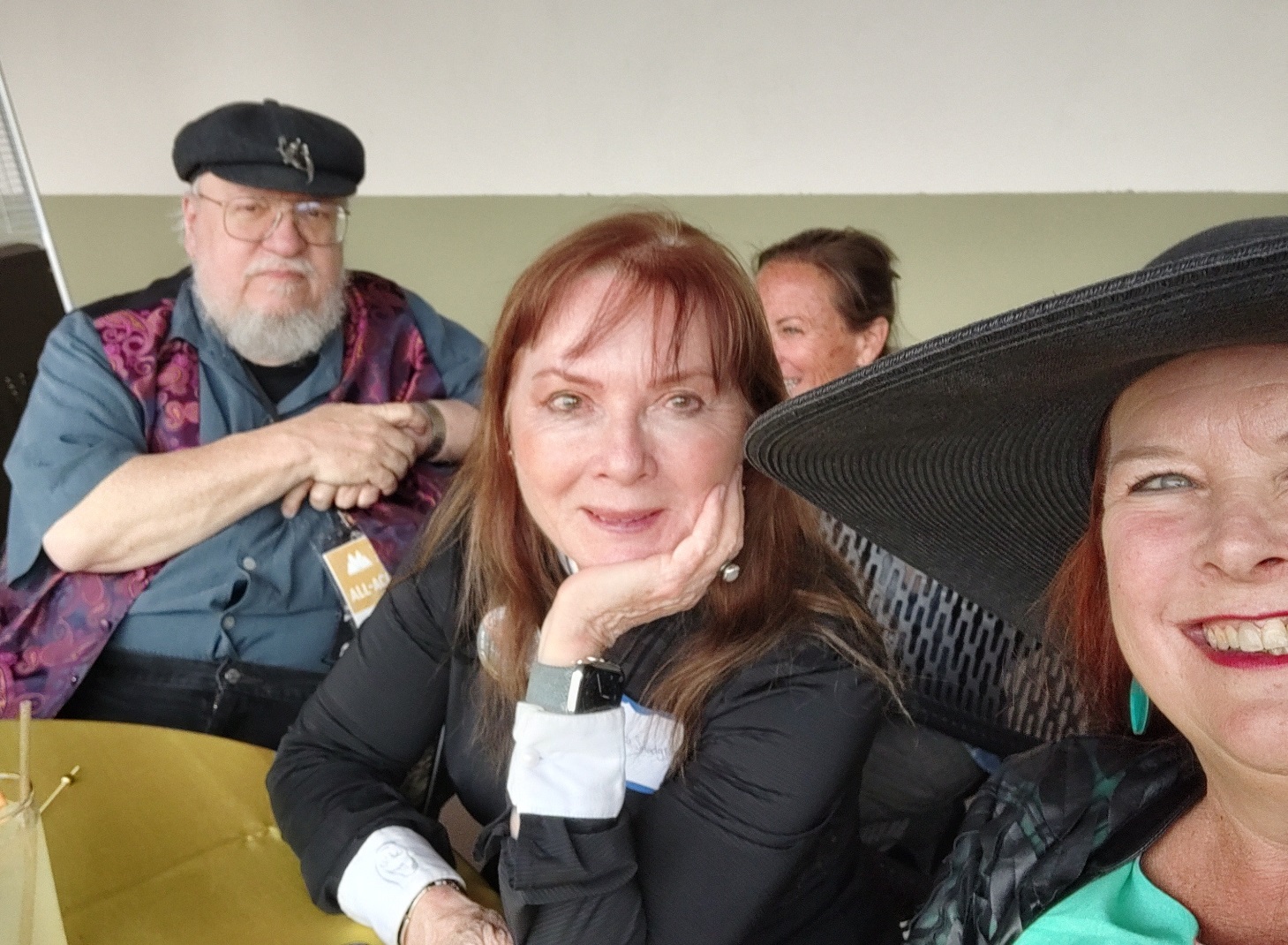 //
//A roundup of my travels and socializing: Nebula Conference, the Santa Fe International Literary Festival, New Mexico Writers, literary snobbery, tail-sniffing, and repping genre writers who keep the industry going!