First Cup of Coffee – September 2, 2026
 //
//RITA ® Award-Winning Author of Fantasy Romance
//
 //
//
 //
//
 //
//I’m taking signups for my ARC team if you’re interested. Also some analyses on books I’ve been reading and some advice for the newbie-r writers out there on not trying to do too much. Also, keeping secrets too long.

 //
//
This week at the SFF Seven we’re talking about those hobbies that take the pressure off writing.
This is relevant for more than curiosity because hobbies are key for creatives to fend off burnout. It’s interesting, because it seems like when we talk about “hobbies,” we’re already assigning whatever project it is a lesser status. A hobby is something you do on the side, for pleasure and no other reason. I’m going to add that a hobby usually doesn’t generate income (until it does). You might not even be that good at it, because if you were good at it, people would pay you, right?
We talk about hobbies in a slightly indulgent, somewhat disparaging way:
“Oh, my spouse’s hobby is woodworking, but mostly they just putter in the garage.”
or
“My spouse reads countless books. It’s a cute hobby, but an expensive one!”
See what I mean?
The thing about hobbies, though, is that they are critical to our wellbeing. They keep us sane. For creatives, hobbies refill the well, which is what we need to avoid burnout.
What happens for a lot of us making a living from our creative work – I’ll stick with writing as my example – is that what started as a hobby becomes a job. The thing we did for fun, for pressure release, simply out of love, becomes the thing we must do to pay the mortgage and keep the lights on. We lost our hobby and frequently don’t replace it. Because we’re doing what we love for work! That should be enough, right?
Spoiler: it’s not enough.
One of the most important things any creative can do is have a non-monetized creative outlet or two. AKA, hobbies. The non-monetized aspect is important, because it allows us to be creative without that feeling of needing to pay the bills or track sales or make business decisions. I met a US Poet Laureate who also painted – and very well – but had a solid rule never to sell his work. He only gave his paintings as gifts. I’ve remembered that lesson ever since.
What do I do? I confess that, in the eight years since I became a full-time, career author – as in supporting my family with my writing – I have not been super great at keeping up hobbies. I’ve burned out once, too, and come close to it a couple of other times. I’m trying to do better. What do I do?
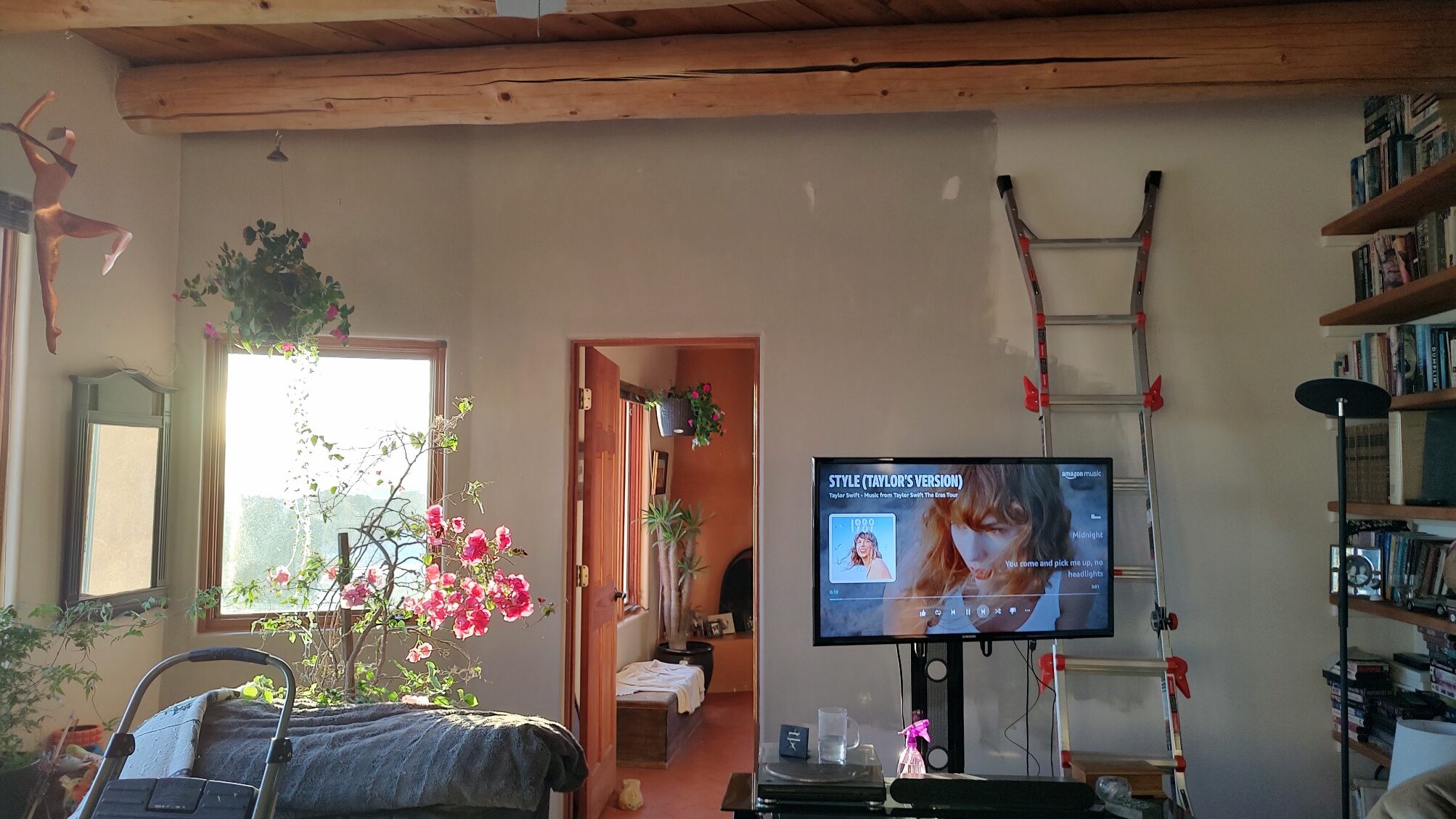
It was instructive to make this list coming at it from the lens of a “hobby” rather than “non-monetized creativity.” I’ve been trying to implement creative things I can do, but I’m just now realizing that these other activities – even something as prosaic painting my living room (I decided to include an in-process photo), as I’m doing this weekend – also count as leisure-time, restorative activities. Theoretically, everything on my list could be monetized.
(Maybe not. Can you be paid to hike? And I will never, ever be that good at yoga! Trust me: a yoga teacher I will never be.)
Anyway, celebrate those hobbies! They aren’t silly or pointless. They’re what feeds us as human beings.
 //
//An important trick I’ve discovered to improve my focus, a bit of a rant on boy fantasy and the trope of soldier, priest, scholar, and female. Followed by a waxing on of how much I love WandaVision!
 //
//More on building focus and improving our ability to concentrate by making small changes in our environment, such as leaving the smart phone in the other room, and changing reading habits.
 //
//
This week at the SFF Seven, we’re asking: “Do you read in the genre you write?”
What’s funny is that my answer is absolutely yes – but that I didn’t always write in the genre I read. Does that make sense?
I have always read Fantasy and Science Fiction, since I was a little kid, and I’ve been reading Romance since I was old enough to walk to the used bookstore to buy my own books, as my mom wouldn’t let me read “that trash.” (Because she thought Romance was low-brow and anti-feminist, not because of the sex.) But when I started out as a writer, I wrote Creative Nonfiction.
Some of this was timing and coincidence. When I decided I wanted to be a writer instead of a scientist, one of the first classes I took was “Essays on Self and Place,” from a visiting writer at the university. I fell easily into writing essays and had success with them. My first book was an essay collection. And, sure, I read some essays. I read a lot of essay collections and memoir. But I was always reading them as research and reciprocity.
All that time, what I read for pure enjoyment? Anything with a paranormal/SFF element and plenty of Romance.
It was only after my first book came out that a friend – a bookseller who knew my tastes and sold me hardcover releases of JD Robb, Laurell K. Hamilton, Stephenie Meyer, and Jaqueline Carey – asked me why I wasn’t writing in the genres I so clearly loved to read.
Funny that. It simply hadn’t occurred to me. But then I started to, I wrote this Fantasy Romance* (not a genre then, but what did I know??) that was SO MUCH FREAKING FUN TO WRITE. I couldn’t believe how much more fun I had writing my crazy tale about a scientist who falls into Faerie, becomes a sorceress, and ends up in a bargain with a fae lord to bear his child. I even got a really nice rejection on the book from Stephenie Meyer’s agent! (Though it took a long time for me to sell it, which is another tale.)
The rest is history. ~ Waves at catalogue of Epic Fantasy Romances ~ I haven’t looked back. Writing what I love to read has absolutely been a great decision.
*The book that became ROGUE’S PAWN
 //
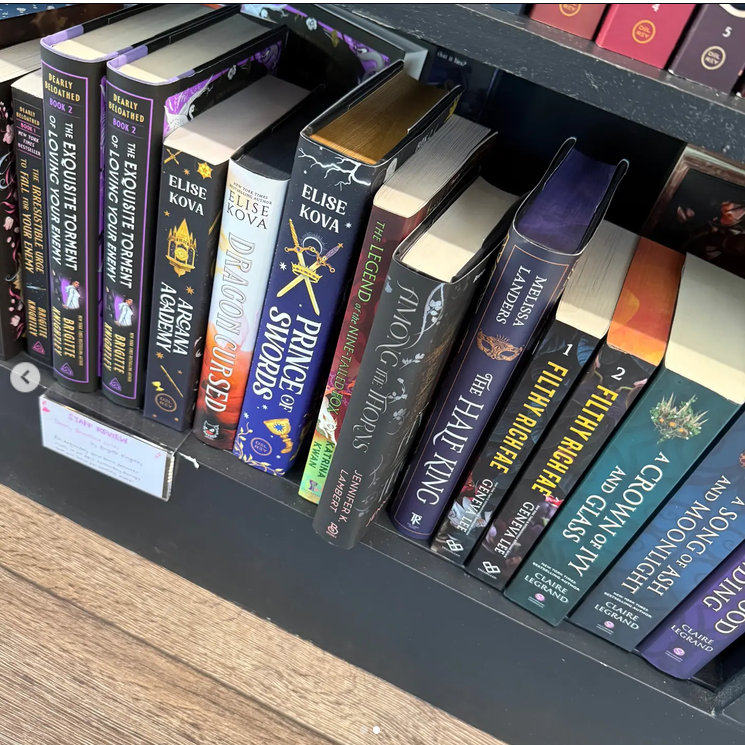
//A round-up of what I’ve been reading lately, including several excursions from my normal reading. I’m thinking about female/femme narratives and how we center those (or don’t) in terms of stories about men.
 //
//
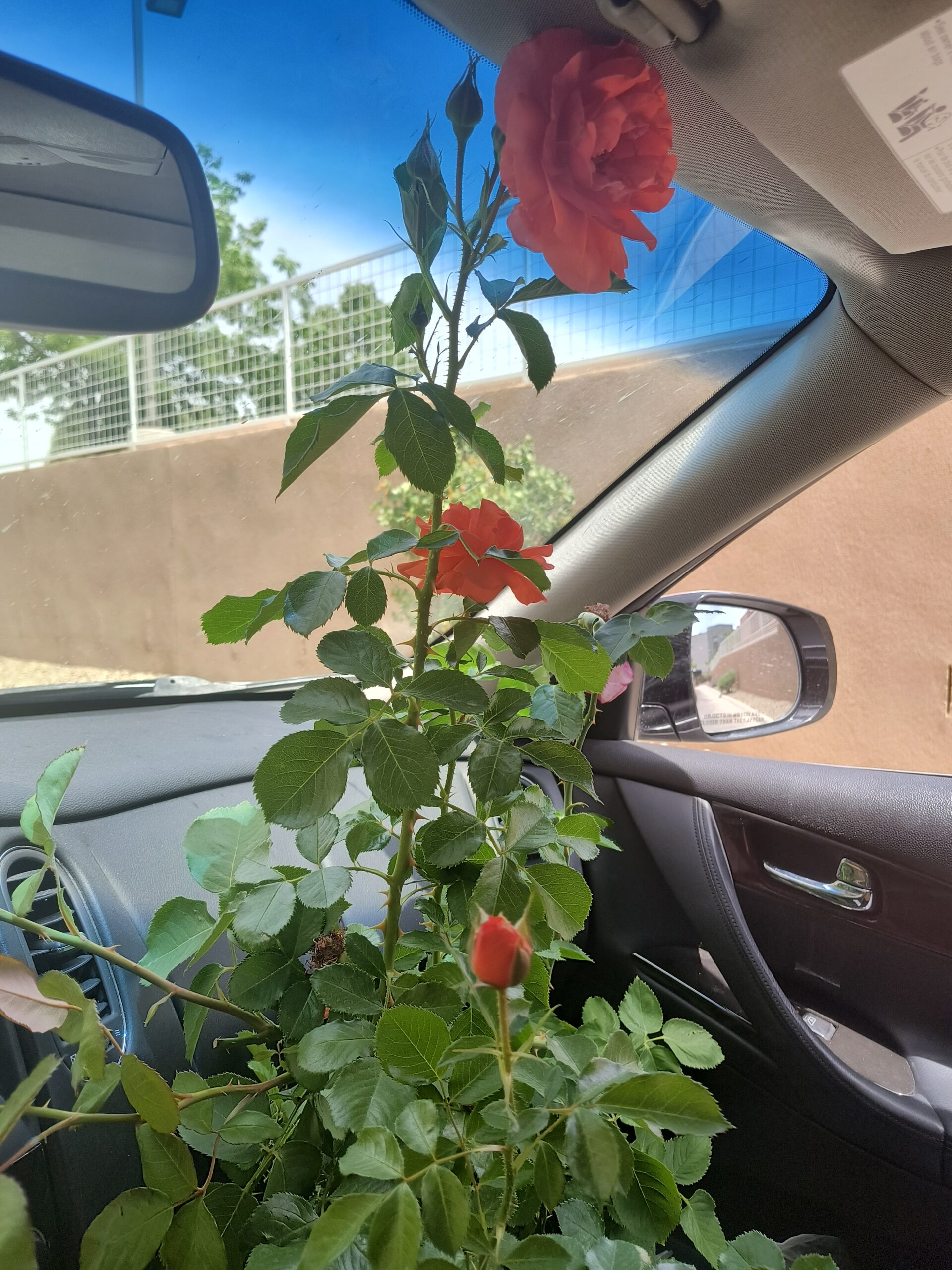
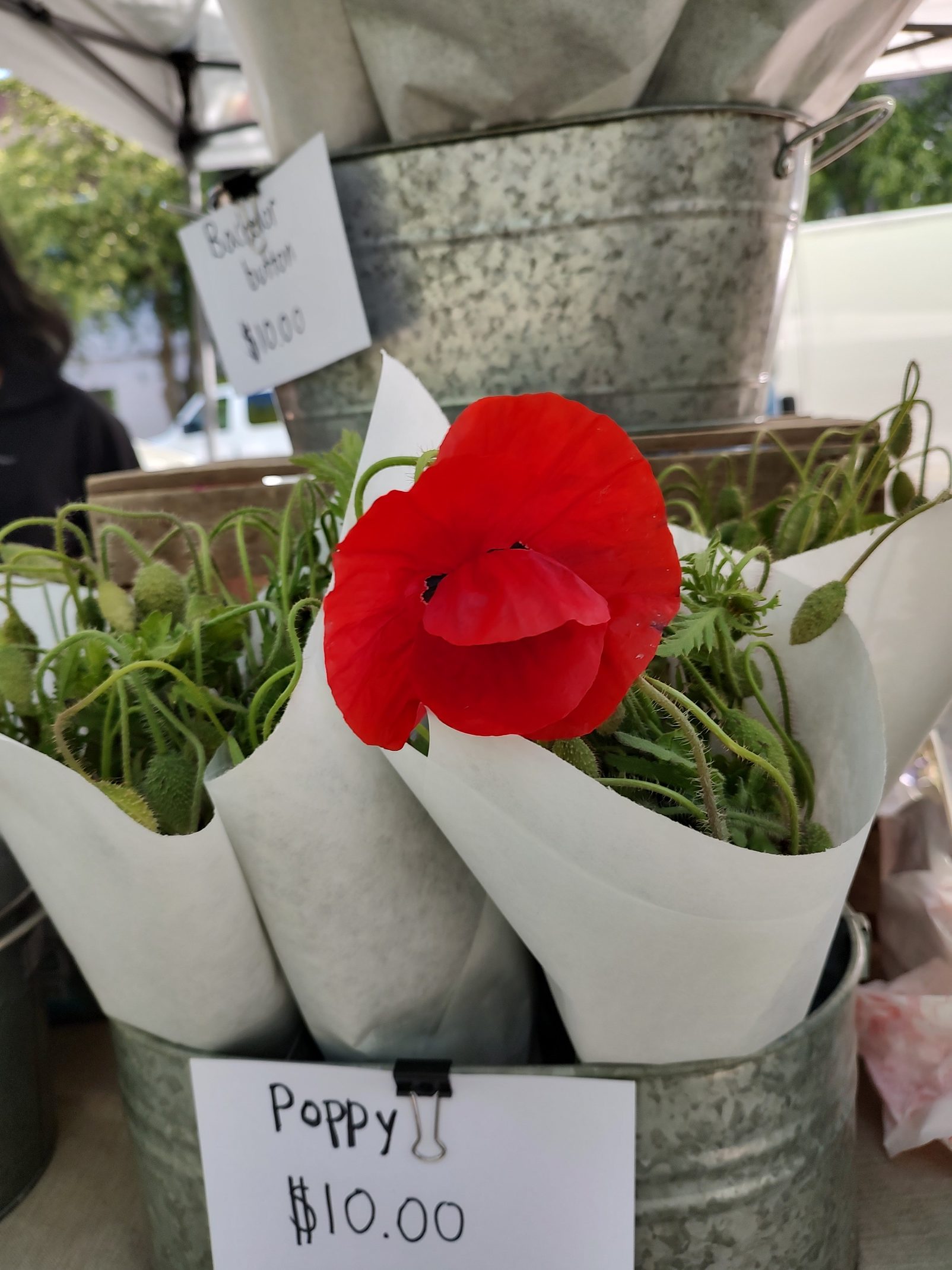
I just returned from WisCon, which was a delightful, warm, sort-of summer-camp version of a con. I had a great time. I also got to visit the farmer’s market and get a wonderful jump start on spring.
Our topic at the SFF Seven this week is: How to analyze genre expectations for your genre.
You know, I have one answer to this question, which is pretty much the same as what KAK said yesterday: READ.
I feel like people are often looking for the shortcuts in this business. And certainly there are the shovel-salesmen eager to sell the gold-miners the newest-fangled device that will make their job SO MUCH EASIER. So, sure – there are tools and surveys out there that purport to analyze trends and bullet-point the expectations of the hot genres.
But nothing substitutes for reading. And reading what’s current, as well as the canon the new stuff builds upon. Genre and the expectations readers bring to their reading are fluid and ever changing. I once advised an aspiring author – a woman who’d been very well published 20 years before, had a life-lull, and was looking to get back into it – who hadn’t read anything published in her genre in the last couple of decades. She couldn’t understand the feedback she was getting from agents and editors because her reading lens was calibrated to what amounted to ancient history genre-wise.
Also, reading refills the creative well. All writers begin as readers first. (At least, I hope so. A writer who doesn’t love reading seems to me like a fish who swims but doesn’t like water.) If you don’t have time to read, make the time. Replace watching shows or scrolling on your phone with READING. You don’t have to finish everything you read (I certainly don’t), but you should read at least some of what’s popular and what your readers are reading.
Did I mention read? Yeah: do that.