Picking a Good Book Title

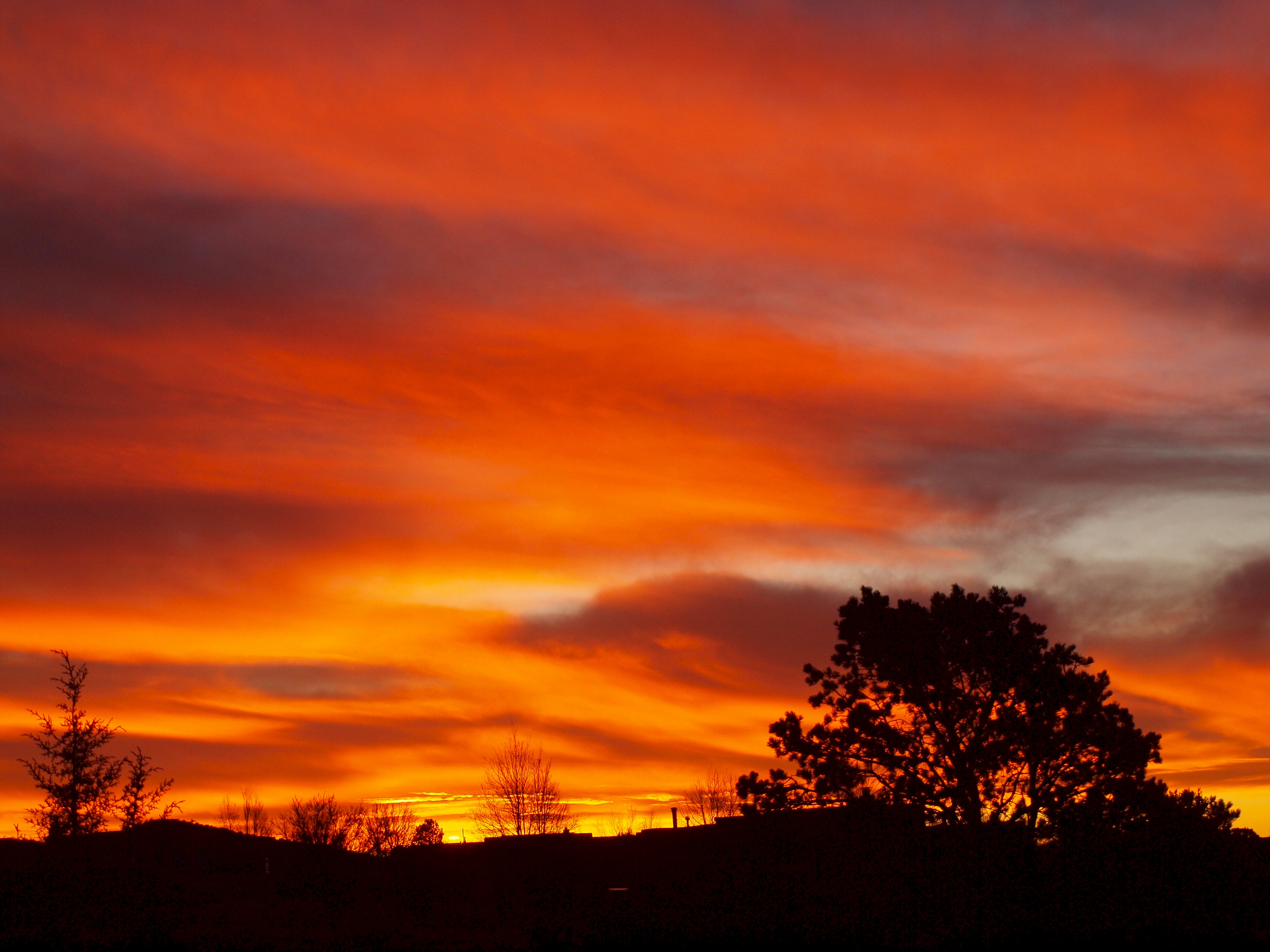
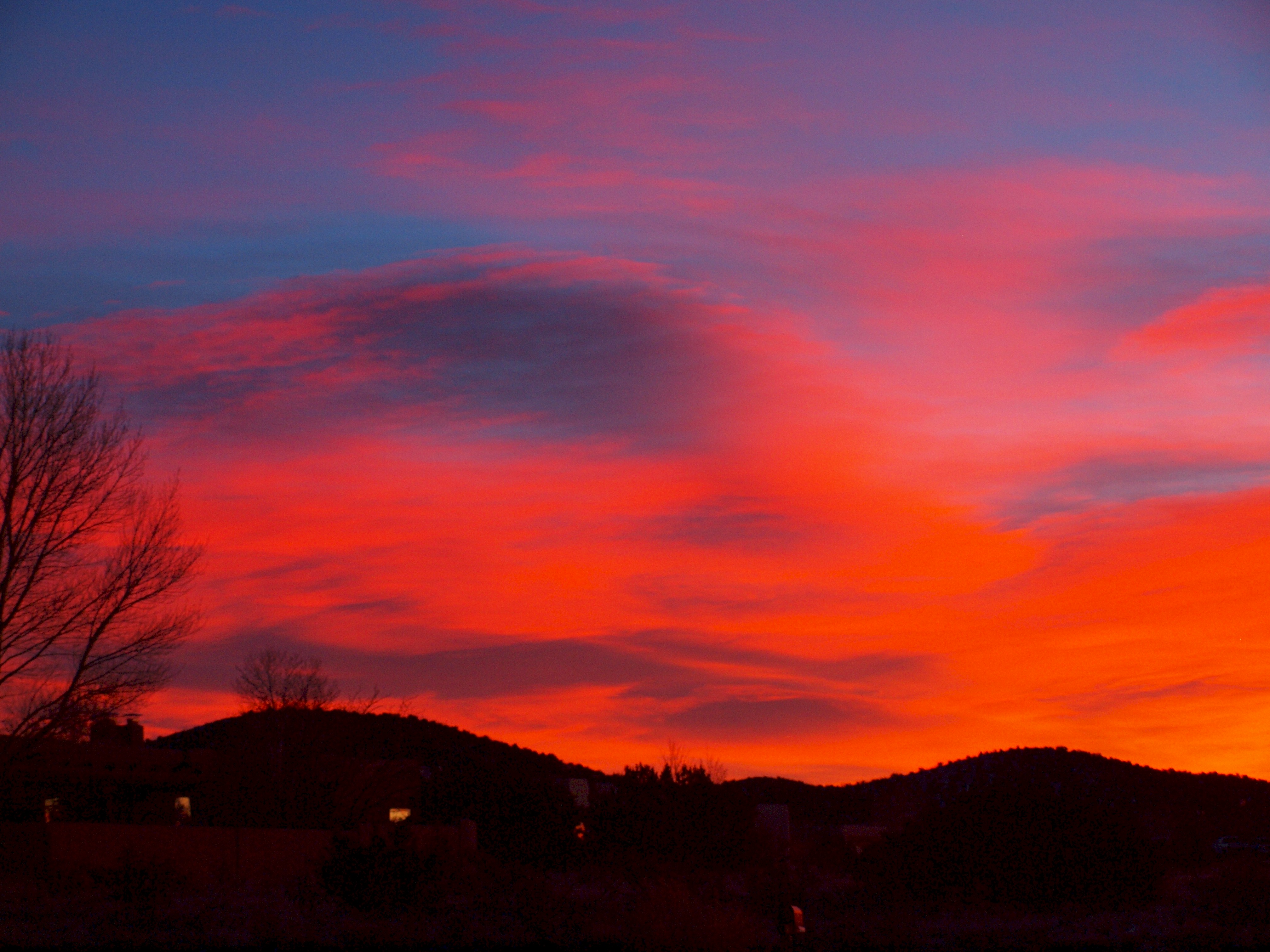
We get the most spectacular sunrises this time of year. I’m not sure why. All that mysterious meteorology stuff.

I’ve been noticing something interesting since Sapphire came out. One word titles suck for tracking.

Not that I don’t love that title – I do. It was my title all along and Carina let me keep it. It matches the cover nicely (or vice-versa) and reflects a crucial aspect of the story itself. Now, it was counter-productive in a way I didn’t expect because I now have to change the title of my novel coming out in July, formerly known as Obsidian.

I know, I know – me and my one-word precious and semi-precious gem titles. I don’t know what my damage is there. At any rate, Carina said I should retitle Obsidian, because it would sound like a sequel to Sapphire. Since the novel is a totally different story, genre and heat-level, there’s no case for that. I saw their point, brainstormed a list of titles and we’ll see what the marketing team decides.

I’m interested to see what they decide on.

And I hope it’s better for tracking.

See, I have Google alerts set up for mentions of my titles. And Twitter columns set up for those searches. Correction – I have Twitter columns set up to watch for “Petals and Thorns” and “Feeding the Vampire,” but I only lasted about a week with the “Sapphire” column. Seriously. Do you know how many mentions there are of Kate Middleton’s sapphire ring? Or of some credit card? There’s also a Gentleman’s Club (which apparently markets ALL THE TIME), a fancy mall in Istanbul, a watch, a “nettop” computer and a surprising number of people celebrating their 65th wedding anniversaries.

In short – finding mentions of my book is like wandering through a supermodel convention hoping someone will tell you you’re pretty.

Just ain’t gonna happen.

Not to mention that there just happens to be a kind of famous author named Sapphire who hogs all the Amazon searches.

So, I’m extracting a lesson from this one. I know we don’t always have control of our titles, but so far, everyone I know at least gets to send a suggested list. I wonder how people with even more common one-word titles like “Fallen” or “Fated” do. I would think it’s even worse. (Though, for the record, “Twilight” totally rocks the Google search at this point.)

So my whole list of really fab one-word titles? Eh. Send those to circular file #13.

A Little Piracy

Today, many internet sites are running a black-out boycott to raise awareness about the ill-conceived anti-piracy bills before the congress and senate. Now, piracy is a major concern for many people on the internet. I don’t worry about it personally, as I’ve posted before. Basically I’m a subscriber to the what-goes-around, comes-around philosophy of life. However, even the people really concerned about it don’t like this bill. I think the Oatmeal said it best, so I totally pirated this Gif today.

You all know what to do.

Best Writing Retreat Ever

You all know the saw – writing is a lonely gig. And that’s why having friends and critique partners can be so very important.

This last weekend, Laura and Marcella came to Santa Fe to visit me. We had a lovely time. We toured around the countryside – I’m sure they’ll share some of the adventures – soaked in the hot waters at Ten Thousand Waves and did some major shopping. We each managed to buy a few special somethings, to reward ourselves for hard work and to provide inspiration in the next year.

Over our last lunch, Laura made us get down to business and set goals and plans for the coming year. She’s the accountability girl.

We’d been talking writing all weekend, of course. Chewing over plot ideas, sympathizing over business annoyances, coming up with great book ideas and insisting that the others write it. The goal setting was the culmination of all those winding conversations. We probably wouldn’t have come up with the same things that first day. But after all those hours of working things through, everything seemed much more clear for what needs to happen in the coming year.

It wasn’t a writing retreat, because none of us really wrote. (Except for Marcella who was dutifully marking down ideas in her notebook.) I kind of think that if we’d formalized it, the energy wouldn’t have worked so well. No lectures, workshops, official brainstorm sessions. Instead the ideas ebbed and flowed in a natural way.

We’re thinking about doing it every year.

Thanks ladies!

Writers’ Heroin

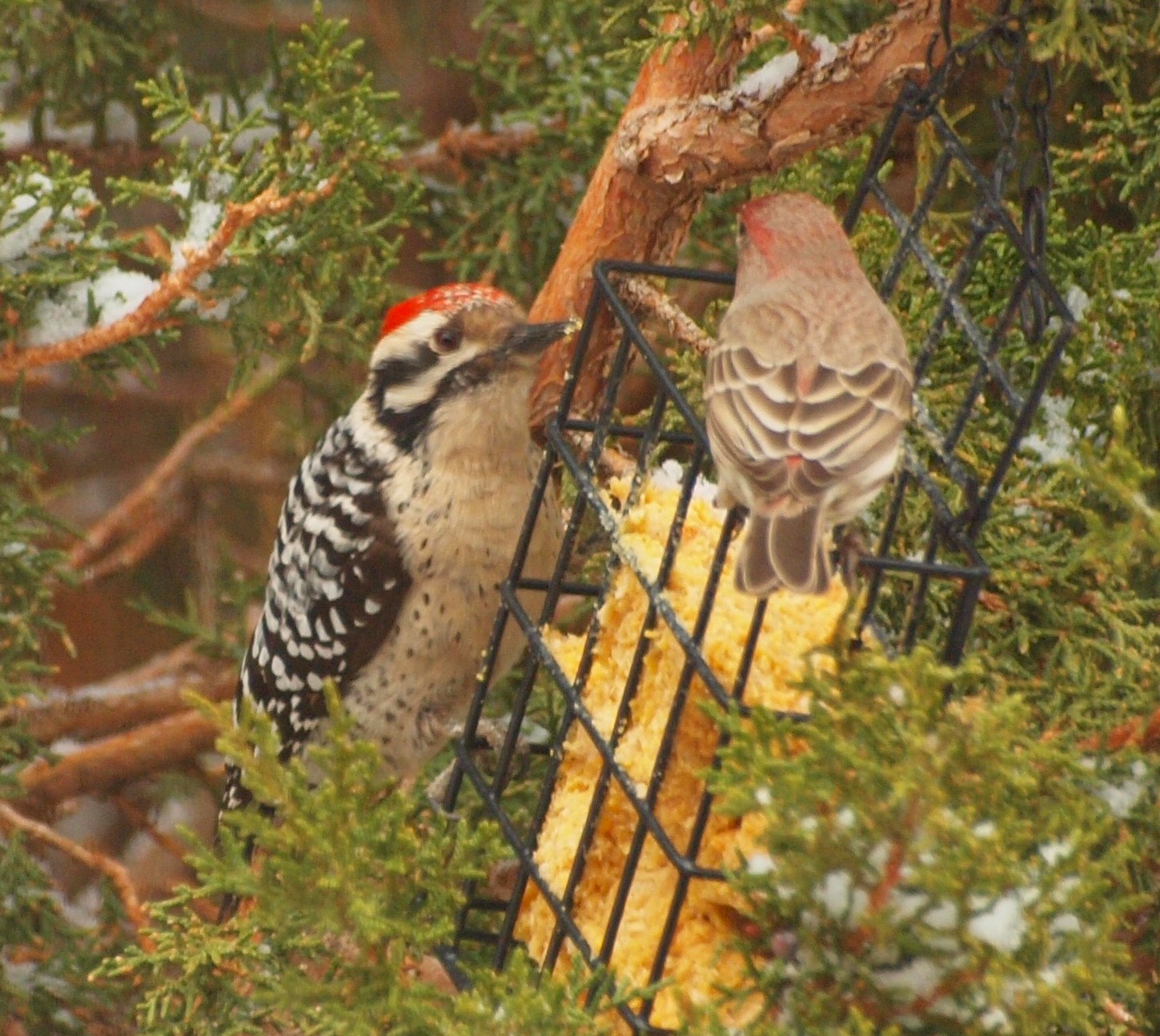
These little bushtits are such happy birds. They swarm the bark butter, singing a whispery tune and vanish again.

I’m going to take a bit of a departure today from my series on How My Day Job Has Made Me a Better Writer, but I’ll be back with it tomorrow.

I was talking with a Twitter friend who’s looking at having her first book published. She’s all agog with excitement, of course. And the online community has been great to her, with congratulations and support. Now, however, it’s hitting her that by the time the book comes out, people’s attention may have drifted and maybe no one will notice at all then.

She’s actually pretty insightful to recognize this pitfall.

See, for writers, attention is our most addictive drug.

We’re like affection-starved children who’ve grown up without human contact. It sounds dramatic, but so much of being a writer, especially in the early years, involves being alone with only your words for company. Nobody else sees your work, largely because no one cares, even if you dare tell anyone about it. You begin to feel like the mad scientist hermit, muttering to yourself, chasing some ever-mutating dream of creation. You become very accustomed to not being noticed. Even if you have a regular life, with people who love you, the crazy-writer side is usually locked away where she can’t frighten people.

Then, when she’s cleaned up enough to be trotted out into polite society and people pay attention to that side of you – and bettter, PRAISE you for it – well, it’s overwhelming. It’s like getting chocolate after a lifetime of rice. It’s rich and lovely and can totally screw you up.

Because, you see, the attention is almost instantly addictive. You find yourself craving just a little more. You start doing and saying things just to elicit a little more attention. You search for reviews and mentions. You reread old praise, reliving the glory days.

Before you know it, you’re the crack-whore on the corner of Twitter offering anything if people will just throw a crumb of attention your way.

I can’t tell you not to taste the attention. After all, it’s arguably one of the few rewards writers receive, until they’re really making the money. And besides, unless you’re a total recluse, you’re gonna get it. But know that it’s addictive. That it’s chocolate-covered heroin with no nutritious value.

In the end, the only thing that really matters is the writing.

Personnel Issues 101 for Writers

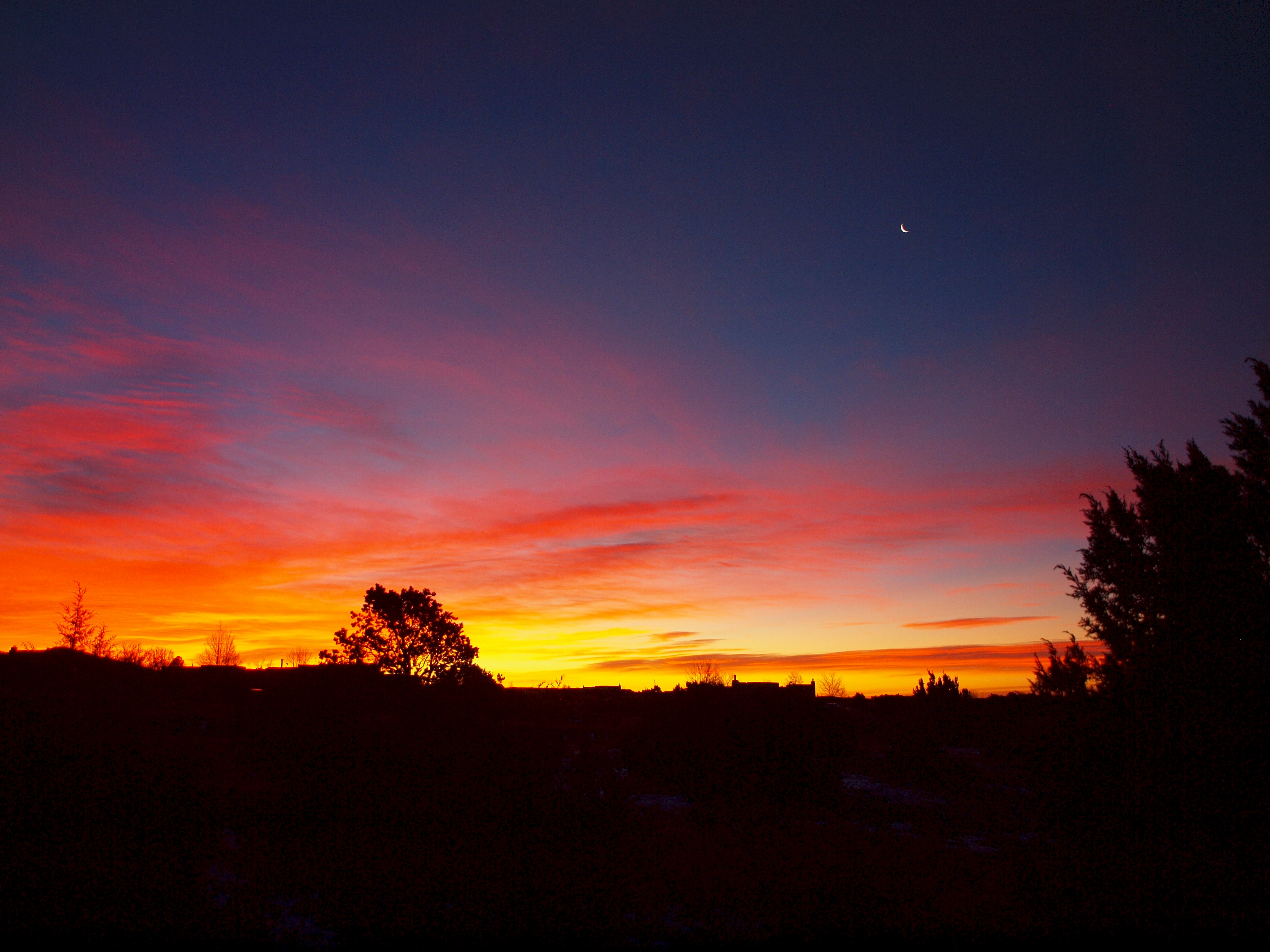
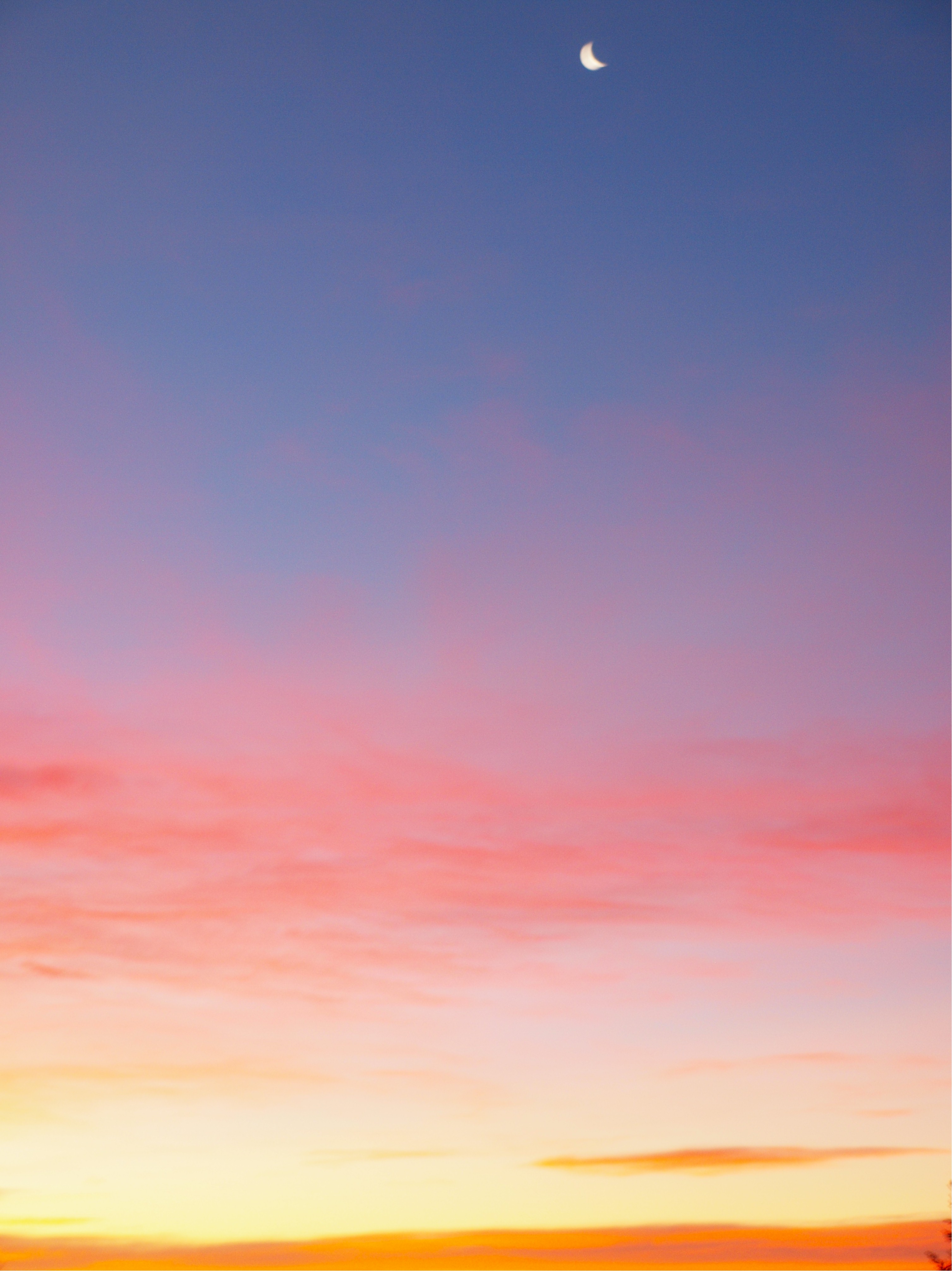
The moon setting yesterday morning at dawn. So lovely. I don’t recall ever seeing the moonset so often in other places I’ve lived.

In my first job after grad school, I worked in a laboratory. We did testing of water samples, analysis of tissues from game animals, disease diagnosis. Lots of different activities and specialties. Depending on the season, probably 10-12 people worked there. Mostly women. It’s a funny thing about labs – it’s a profession that attracts women. So, this was not only my first real, career-type job, it was also my first experience working day-in and day-out with a bunch of women.

Now, I love my gender, but I suspect that what I say here won’t come as much of a surprise.

Women can be a pain to work with. Especially to other women. There’s an unfortunate cattiness that comes out. An eternal jockeying for attention and one-upsmanship. If you’ve never experienced this, you are blessed indeed. If you have, you know exactly what I’m talking about.

A couple of the other gals complained about me. I got called in to see the lab manager. He said I spent too much time walking around with a cup of water in my hand. (Going back and forth to the water cooler.) He said I didn’t look busy enough. When I pointed out that I analyzed more samples than anyone else in the lab each day, he said that didn’t matter. What mattered was how busy I looked.

Yeah, he was a terrible manager. That didn’t help.

But, what I discovered over time was, that it didn’t really matter what I said or did. The key to resolving the issues lay in finding ways to get along with these gals. Which I eventually figured out. (After months and months of awfulness, but that’s neither here nor there.) It was a valuable learning experience.

A few years back, I served on the board of a writers organization. One of the women on the board continually fell into “misunderstandings” and all out wars with other members of the organization. We hear about this kind of thing going on in various chapters. The thing about this gal was, despite being a middle-aged woman, she’d never worked in a corporate environment. She just couldn’t see the value of giving ground on something she believed to be True and Right, in favor of getting along with other people.

The thing of it is, and I know it isn’t fair, the burden truly falls on us to deal with difficult people. Because we can’t make them stop being difficult. All us reasonable types can do is find ways to minimize the damage they can do. They may be the landmines, but the adept person finds the ways to avoid setting them off.

Another acquired skill.

Anyone got a good story for how they dealt with a difficult person?

Mind the Deadlines

Gorgeous sunset last night. I love how it looks like the sun has set something on fire, with blazing smoke billowing away.

Yesterday I was on a phone call for the day job about a report that needs revision. We went over the points and the gal in charge asked me how long it would take me to make the fixes. Now, I’d received this report with comments about three minutes before the call started. But I made a guess, added half as much again and told her the number of hours. She agreed and we were off and running.

This is definitely an acquired skill in our business.

Working for a consulting firm means getting really good at knowing how long a project will take. We operate entirely on billable hours. There is very little room for overhead hours – and Accounting gets most of those. Everything we do needs to be directly billable to a client or a project. Because a client is paying for your time, you don’t get to waste that time. And, because we have to give estimates and costs up front, being able to accurately estimate is a very necessary skill.

In fact, this is often something that newbies with the company struggle to learn. Many people are not naturally good at knowing how long a project takes. Some habitually run over deadline – or frantically work to finish up until the last moment. A lot of people develop the habit in school of starting way ahead of time, so there’s room to spare. None of these are practical in the business world. A missed deadline can mean a contract violation and rarely do we have the opportunity to start something early, because we have other projects to work on. Besides, you’re often waiting on data from a client, so you have to be ready to roll when they send it.

I think the correlation to the writing life is obvious.

The publishing process involves a lot of hurry up and wait. You wait on line edits. You wait on copy edits. Then, when your editor sends them, she usually asks if she can have it back in two weeks. Or five days.

Now, this is the important part.

You have to know what the answer is.

It’s easy to just agree, but then you have to do it. You have to be really good at knowing how much time you really have available (and really, robbing from sleep hours is just a bad idea) and how much time the job will take. My tried and true formula, as you may have noticed above, is to figure how long I think it will take and add half-again. So, if I think a job will take 40 hours, I estimate 60 hours. This usually works for most people, because we all seem to have a tendency to underestimate. I rarely need the full half-again, but it gives me a bit of a buffer, in case I really missed my guess.

How else do you learn to do this? Practice, practice, practice. I give myself writing deadlines and measure how well I do on meeting them. This also takes being able to look at your work habits with an unflinchingly honest eye. Knowing yourself – and accepting who you are and how you work – is key to making accurate estimates of work time. If you start to think “Oh, but this time it will be different…” you’re already going down the wrong road.

Good luck!

Email Lives Forever and Ever

This photo is for Laura Bickle. She knows why.

In the movies, there’s often a motif of someone seeking a particular document with important information. The bad people try to destroy it and the good people make lots of copies and put them in safety-deposit boxes or mail them to reporters. Usually the bad people manage to destroy most of the copies, but one will triumphantly make it through, to damn them before the world of public opinion.

This can never work in the world of email.

When I first became involved with some of my author loops, I was very surprised to encounter the “rule” that you could not forward emails off-loop. The thing is, that kind of thing is a courtesy and absolutely unenforceable. At the company I work for, all emails are considered company property and are archived for years. Nobody would ever say an email can’t be forwarded. Because, of course, it easily can. There is really only one true rule:

Never put anything in an email you wouldn’t want brought before the ethics committee or read in public. Or before a judge.

Last week saw a new author blow up over reviews, only with a new spin. A reviewer on Amazon gave a book a scathing review. Yes, it was harsh, mocking the book for being what the reviewer saw as a Twilight rip-off. The author did not melt down publicly over this. However, the reviewer received a forwarded email allegedly written by this author and sent to a group of friends or readers. The email asked them to go to Amazon and rate the review as unhelpful, so it would drop off the screen.

Brouhaha ensued.

I don’t know if anyone established if this was true, but the principle applies in general. An important lesson I’ve learned from my day job about being a writer. Assume that anything you put in an email, even to trusted friends or a “private” loop, can be made public.

And if it’s juicy, it probably will.

Give Me Leave or Give Me Burnout

This is my partner cat, being helpful and giving me advice on my line edits. Never mind that Stephanie Draven’s website is up on the screen. A girl can take a break now and again.

In fact, that’s my topic today in the How My Day Job Has Made Me a Better Writer series: time off.

I see a lot of writers on the internet saying things like this:

“It’s Saturday and the family is off to the park, but there are no weekends for writers.”

“Writers don’t get vacations.”

“It might be midnight, but I’m working because writers don’t have timeclocks.”

I’m sure you’ve seen it, too. Now, a lot of this is just toss-off stuff. People who are under deadline babble about all kinds of things. They’re kind of like the drunks at the bar at 3am, who’ve been there since Happy Hour, and keep arguing that it can’t possibly be last call. They’ve lost touch with reality. Don’t try to reason with them.

There is the syndrome of writers using vacation time from the day job to write. That’s something else entirely. Usually that’s a treat and a much more leisurely schedule than trying to get the writing done AND doing the day job.

My company offers us a very generous benefits package. They deliberately set out to create that for us. We get ten holidays, four weeks of vacation (if you’ve been there long enough), two personal days, forty hours of sick leave, plus another forty with supervisor approval. They are very good to us. And it’s not out of the goodness of their hearts.

It’s an investment in us as the primary assets of the company.

I mentioned in yesterday’s post that, as a consulting firm, the company I work for has no product outside of the brains of its staff. We work hard. We work long hours, sometimes under grueling conditions with difficult clients. And they expect us to take time off to recover.

I don’t have to connect the dots here, do I?

As writers (or whatever discipline you’d like to insert here), our product comes from ourselves. Just as the industrial types have to sometimes shut down the factory for maintenance, we must give ourselves down time, as well. The problem is, writers are more or less self-employed. Nobody gives you a list of the paid time-off you can take.

Which means we have to do it for ourselves.

It would be interesting to know if any full-time writers do this – issue themselves a certain amount of holiday, vacation and sick leave. It would be an interesting way to keep yourself accountable. And to minimize screwing-off time, too. If you have a leave bank, then you could take the time off guilt free.

All theoretical for me right now.