
First Cup of Coffee – June 11, 2019
 //
//RITA ® Award-Winning Author of Fantasy Romance
 Author: Jeffe Kennedy //
 //
//
Talking today about the Rule of Three and how that factors into success of any kind. Also about my revision process and updates on THE FIERY CITADEL.
 //
//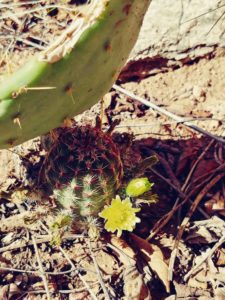
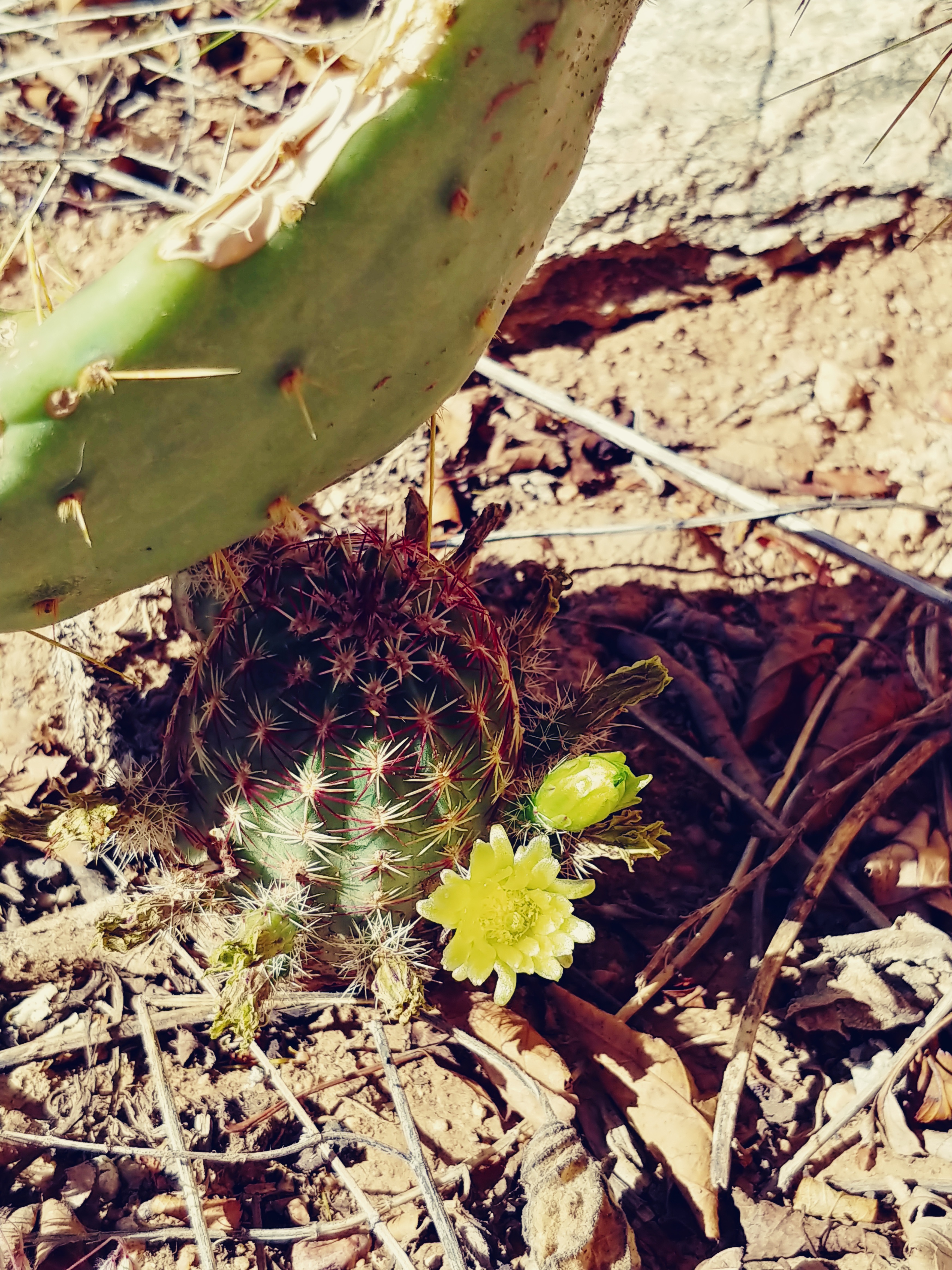
This little cactus is growing – and blooming away! – beneath the shelter of this much larger paddle cactus. I think of this, not as hiding its light under a bushel, but welcoming the sheltering strength of a friend. Go, little cactus, go!
Our topic at the SFF Seven this week is our favorite part and least favorite part of being an author. Come on over to find out why I love this career!
 //
//
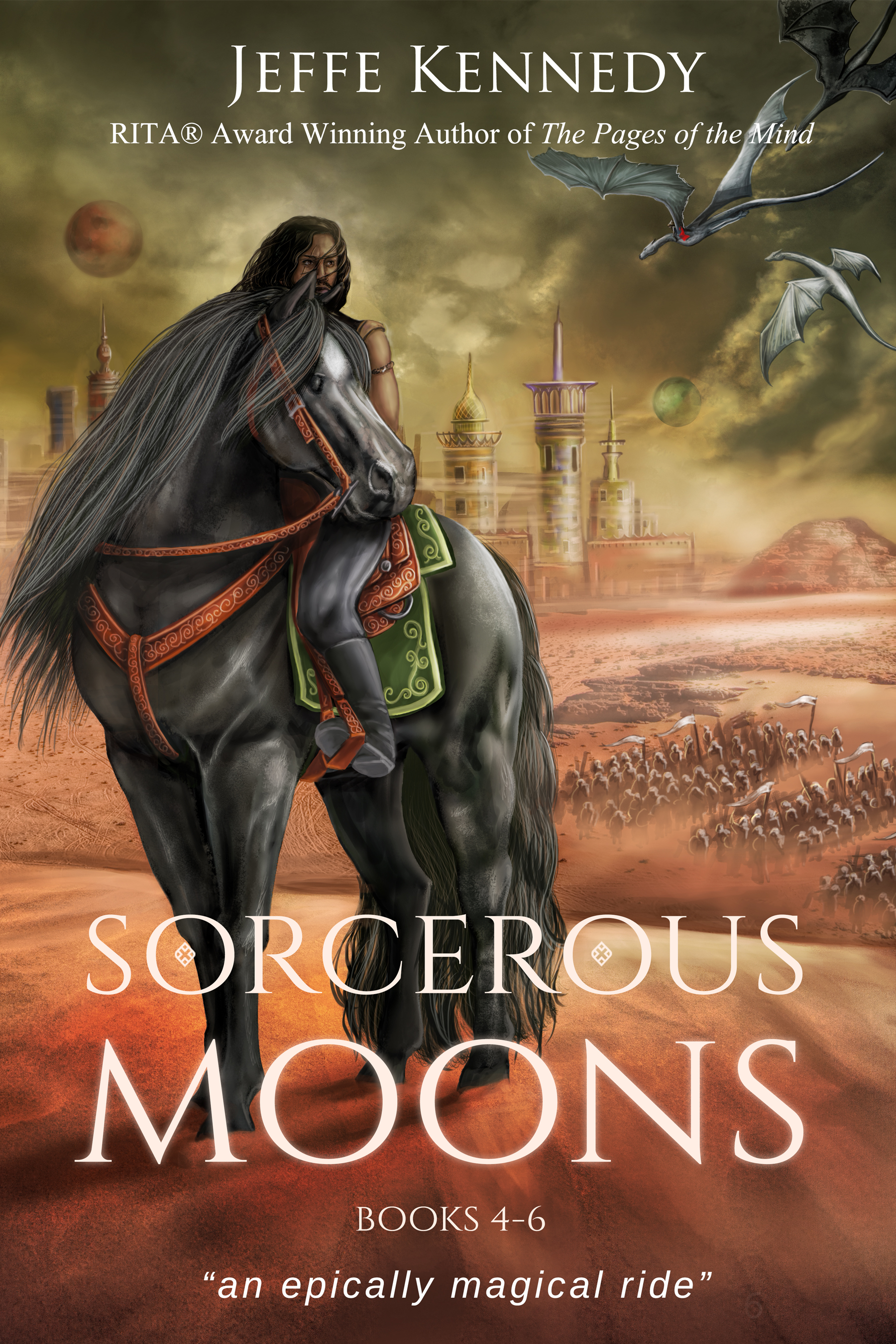
If you’ve been waiting for the second Sorcerous Moons compendium, books 4-6, it’s out! Also talking about reviews and why authors shouldn’t try to improve craft by reading them. And updates on my broken contact lens.
 //
//
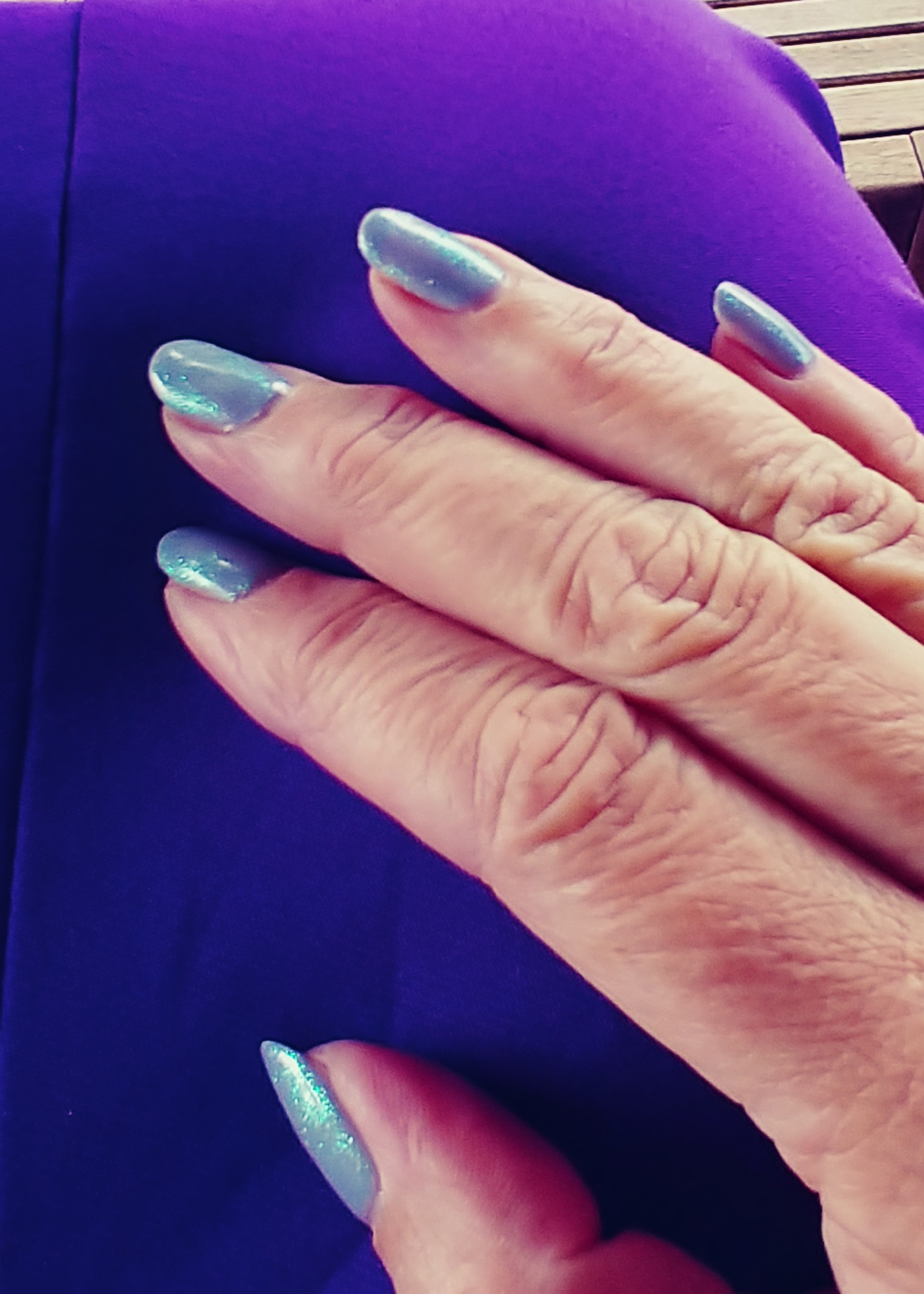
Started my day by breaking a contact lens, alas. Otherwise things are going well, and The Fiery Citadel is coming along faster now. Includes reminiscing on old Denver landmarks.
 //
//
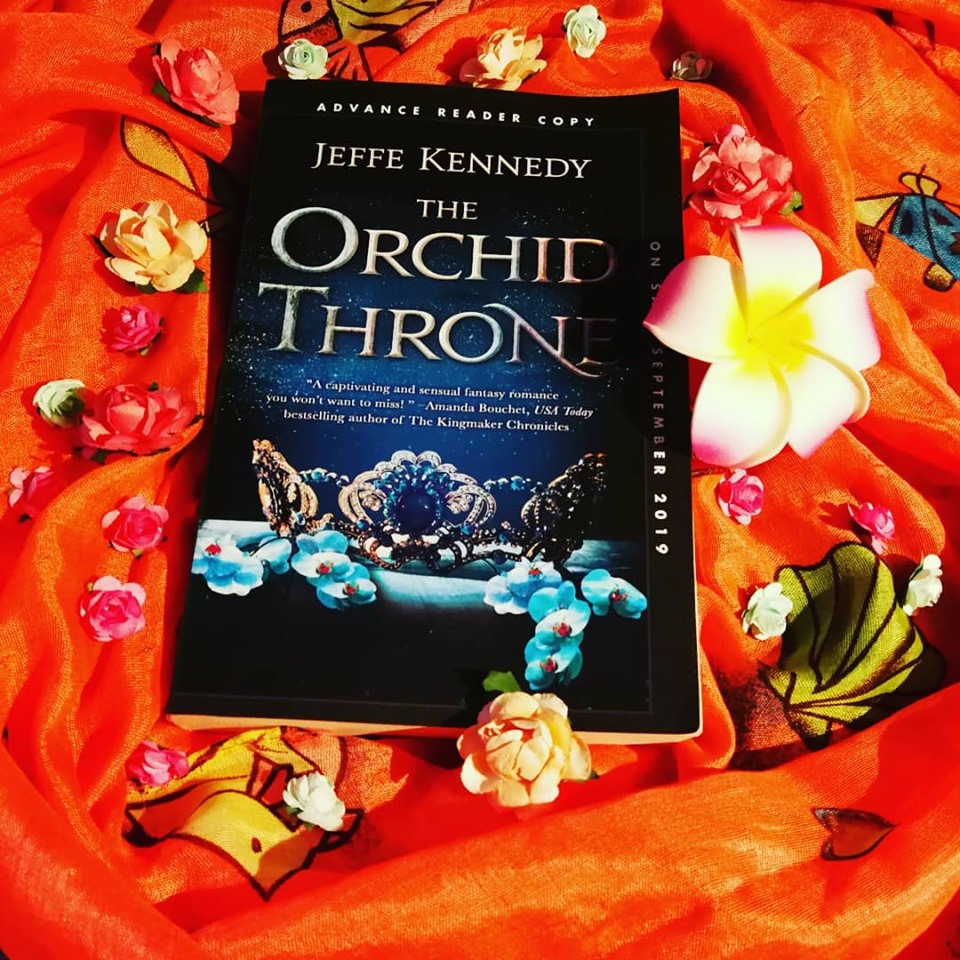
Isn’t this a gorgeous pic of THE ORCHID THRONE? I just love when people make these decorative frames for my books. 🙂 Many of you know I’m buried, neck-deep, in the revision of THE FIERY CITADEL, the second in this trilogy, the Forgotten Empires. I’d hoped to spend eight days on this revision, today is Day 8, and I’m not even halfway. Alas.
I know I keep saying this, but I should speed up soon. I’m bringing a lot of stuff forward in the story, which requires reworking of scenes and re-layering. I’m re-visiting some scenes four or five times. There’s a LOT of “re.” But it’s important to remember that this process is a re-VISION. That means changing up the view of the story, how I see it and how the reader will see it. Sometimes, because I’m bringing stuff forward, making some chapters longer, I’m having to switch up the point of view (POV). The story is told in alternating chapters of the hero and heroine, both in first-person POV.
Lemme tell you: changing the POV of a scene is an excruciatingly painstaking process.
That’s why you may have seen authors passing around this bit of clueless shite and screaming NO NO NO NO NO!
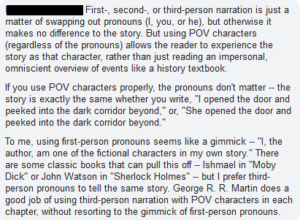
I don’t know who wrote this, except that this person is gleefully and authoritatively giving Very Bad Advice.
I’m tempted to break this down line by line, because there’s a profound error in pretty much every phrase, but I really need to be working on this book. I thought it might be easier to show what a POV conversion looks like, plus saving me time. AND you get a bit of a sneak preview to boot!
Here’s a piece of a scene I originally wrote in the hero’s POV.
“Thank you, all, for attending Me this morning. Some of you may have met my consort, Conrí. He’d like to tap your specialized knowledge in defense of Calanthe.”
And just like that, she turned over the meeting to me—and amused herself by taking me by surprise, judging by the gleam in her eyes. I coughed to clear my throat of pastry crumbs, and handed the little plate and cup to Kara, who looked like I’d handed him a wailing infant.
“Your Highness.” I bowed deeply to her, tempted to add an ironic flourish like Sondra’s mocking manners, but kept it as sincere-looking as possible. Lia saw through me, naturally, though her public face revealed nothing. I stepped beside her, having no intention of putting my back to her, and surveyed the motley assembly. If Lia thought these people could help, then I believed her.
“We have credible evidence that the emperor will bring his forces to bear on Calanthe in a matter of days,” I said without further preamble. None of them seemed shocked, despite Lia’s efforts at secrecy. “My people are bringing in all the vurgsten supplies we can in preparation.” I nodded in General Kara’s direction. He acknowledged that gravely, and he’d relieved himself of my dishes, hands folded behind his back in military style.
“Thanks to Her Highness’s assistance, we’ve established a relay of ships to expedite bringing as much vurgsten to the island as possible before the emperor’s fleet can interfere,” he intoned in his harsh voice.
“You’ll need a fuck-all huge amount of vurgsten,” a square-built woman with short-cut silvery hair opined. Brenda, I recalled, who’d served in the wars in Derten.
“And at least that many ships,” the flamboyant Percy added, examining his nails. He’d affected long jeweled tips like Lia’s and lounged sideways in his chair. “Preferably two times fuck-all.”
A thin woman with a listless mien whose name I didn’t know eyed them with concern, drawing a shawl around her shoulders, though the morning was far from cool. “This is a serious situation, Percy.”
“Agatha, darling. Until I’m dead, nothing is so serious that I won’t poke at Brenda’s colorful language,” he drawled. “Seriously, however, how do you propose to mount any kind of credible defense when we are outmatched in every way? Your reputation precedes you, of course, Conrí, but these odds are sadly stacked against us.”
And now here it is, rewritten in the heroine’s POV:
“Thank you, all, for attending Me this morning. Conrí?”
Con coughed, clearing his throat and brushing pastry crumbs from his fingers. He passed his plate and cup to Kara, who looked like he’d been handed a wailing infant. Petty of me, perhaps, to take Con by surprise, but I hadn’t quite recalibrated my temperament. What little sleep I’d gotten had been spent in nightmares, and Con had nearly caught me in that vulnerable state. Tonight I would find a way for us to sleep separately, as the nightmares seemed to be intensifying.
The dream images had taken on a new clarity, too. The temple above Cradysica falling into the sea. A wolf, gnawing off my hand as I tried to help it. Calanthe, thrashing beneath my feet. Waking. Cradysica it would be. I couldn’t fight this. It had been all I could do to drag myself to this meeting. Thank Ejarat—and my clever ladies—for makeup.
“Your Highness.” Con bowed deeply to me, then turned to the others. “An update since yesterday. My people are bringing in all the vurgsten supplies we can in preparation. General Kara?”
Kara had relieved himself of Con’s dishes, and stood with hands folded behind his back in military style. “Thanks to Her Highness’s assistance,” he intoned in his harsh voice, nodding to me, “we’ve sent ships to establish a relay that will expedite bringing as much vurgsten to the island as possible before the emperor’s fleet can interfere. We’ll keep as much aboard local vessels as possible, so the maximum amount of vurgsten can be relayed to the chosen site quickly.”
“I ran some numbers,” Brenda put in. “Even guessing at most of them, to spring the kind of trap you’re thinking of, we’re going to need a fuck-all huge amount of vurgsten.”
“And at least that many ships,” the flamboyant Percy added, examining his nails as he lounged sideways in his chair. “Preferably two times fuck-all.”
Agatha, wrapped in her shawl, though the morning was far from cool, gave him a look. “This is a serious situation, Percy.”
“Agatha, darling. Until I’m dead, nothing is so serious that I won’t poke at Brenda’s colorful language,” he drawled. “Seriously, however, I ran some numbers, too. How do you propose to mount any kind of credible defense when we are outmatched in every way? Your reputation precedes you, of course, Conrí, but these odds are sadly stacked against us. We’re looking at staggering losses, even without certain…strictures.” He glanced at me, but I kept cool and showed no reaction. Perhaps they only now realized that Con and his people had truly conquered Calanthe after all. I certainly seemed to have lost the power to affect events.
So, yes, there’s more and different information – that’s part of me bringing some points forward in the story – but there’s also changes at every level. Lia and Con know different things, have different familiarity with the characters, see the problem from different angles. Lia is more educated and has more internal, introspective thinking than Con does. She thinks in different words. This POV change is profoundly more complex than switching out pronouns.
As for 1st Person POV being a “gimmick”… I can’t even with that. I, the author, am most definitely NOT one of the characters. Being in a character’s head and a character being an author’s avatar are so wildly different that I’m frankly stunned someone wouldn’t be able to recognize that. Maybe someone who hasn’t read much? First Person POV is difficult to write. It simultaneously gives the reader greater access to the character’s thoughts and feelings, while limiting their perspective to only what that character knows. Some readers don’t like that, which I understand. But using that POV hugely affects how the story plays out.
Also, omniscient narration IS a point of view. I couldn’t leave this without saying that much.
 //
//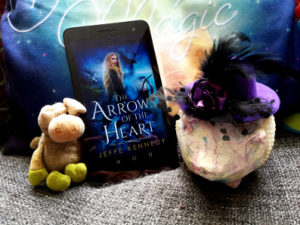
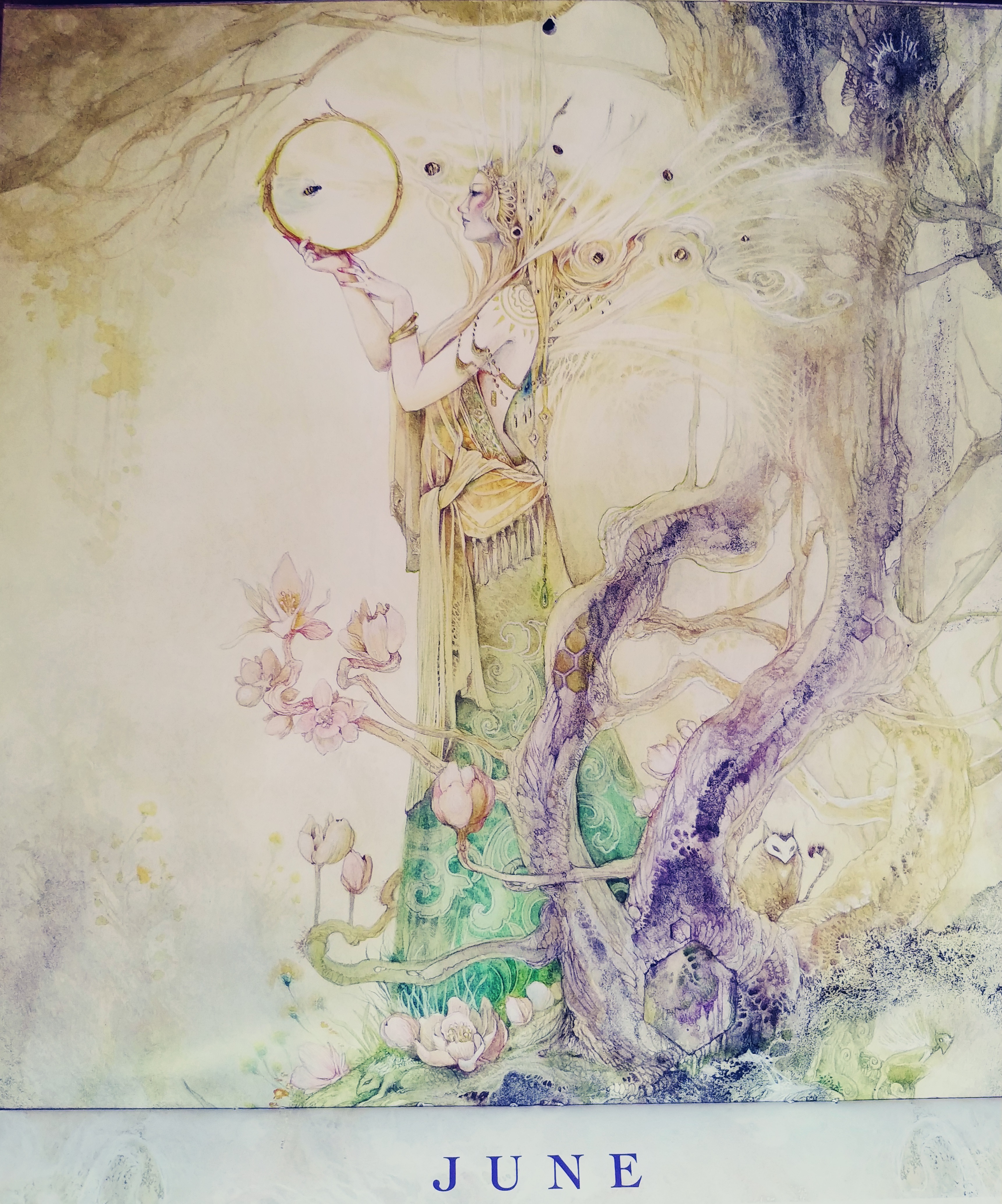
THE ARROWS OF THE HEART won an award! I’m also telling a story today about how men and women talk differently about their pain. Also the continuing saga of THE FIERY CITADEL revision, and how being an auditory learner affects how my brain recalls words.
 //
//
Updates on my weekend (low key), The Fiery Citadel revision (coming along), and our perceptions of the writers life vs. the reality. Plus cat wrangling.
 //
//
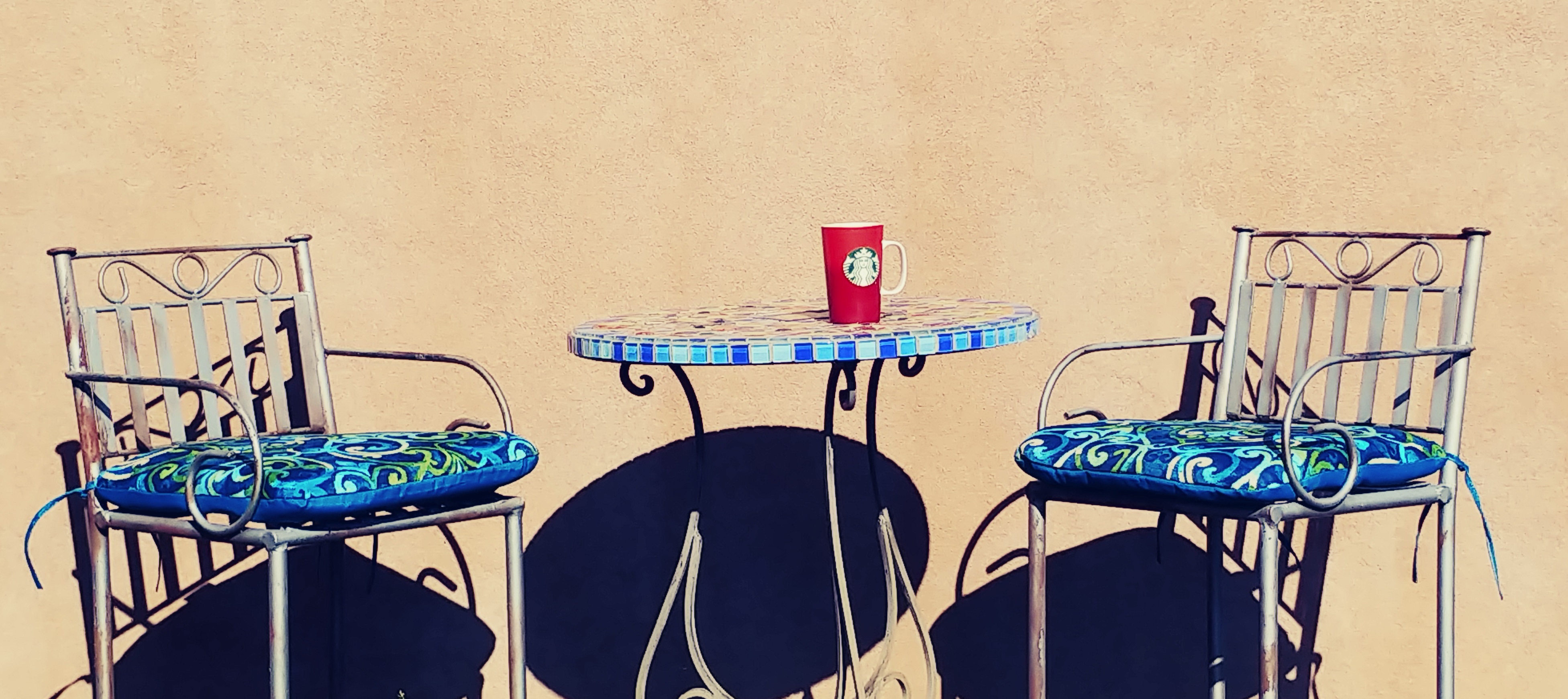
Found art. Literally. I was looking at my camera uploads to choose a pic for today’s post and found this. No idea what it is or how it happened, but what a gorgeous mistake. Art can be like that.
Our topic at the SFF Seven this week is Author behavior tips for social media. My answer is a little different this time.
 //
//